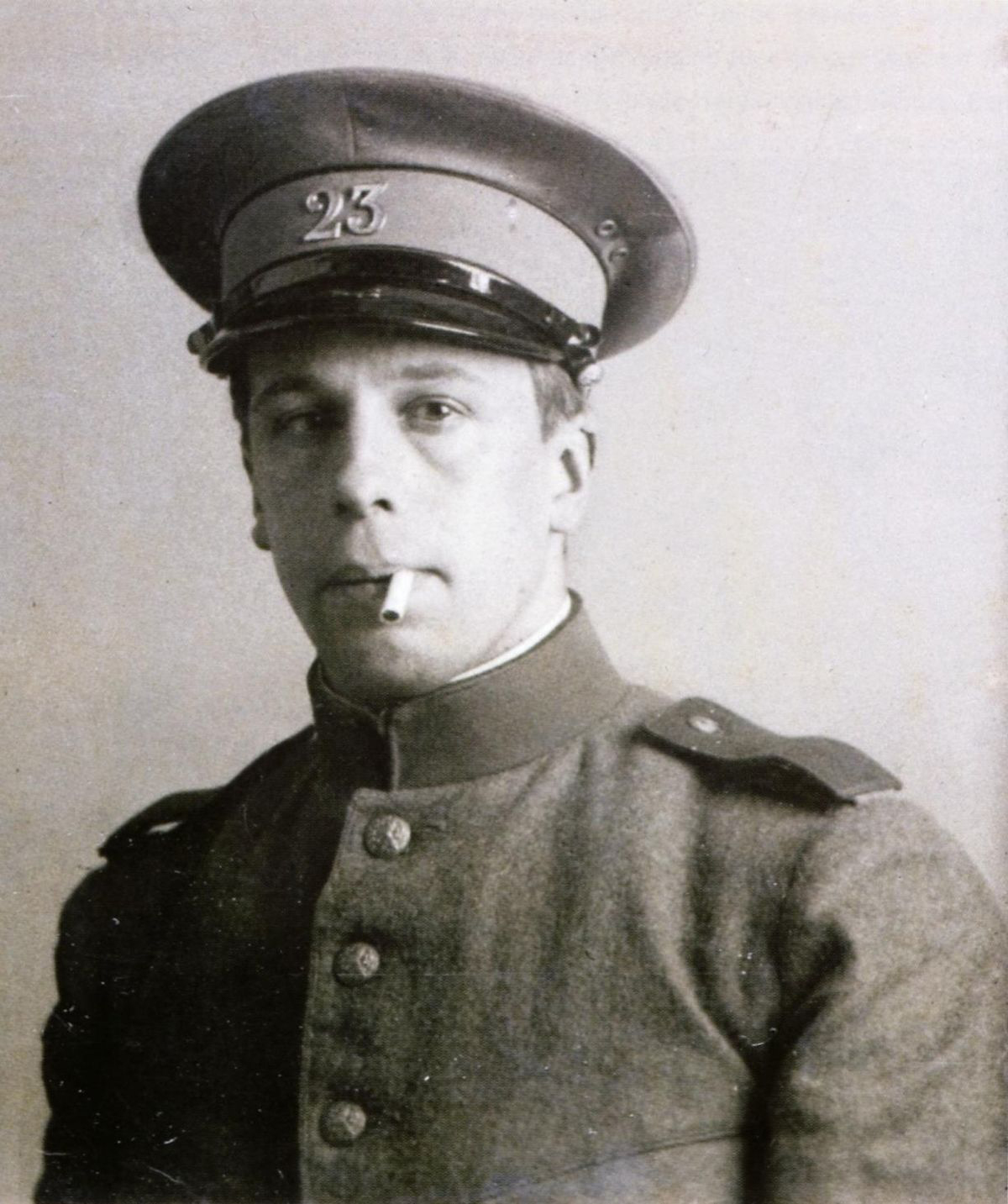
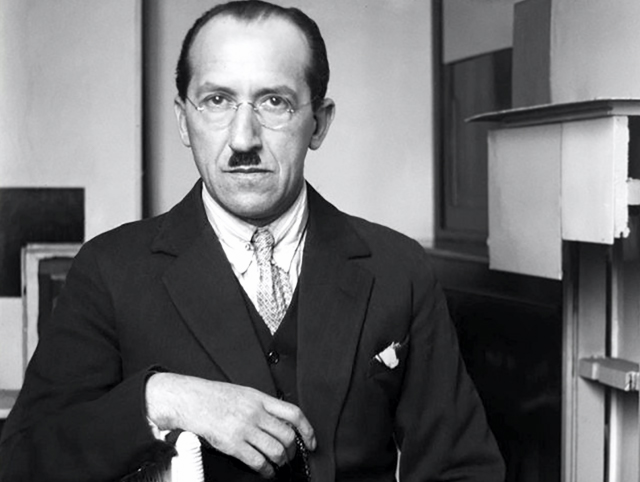
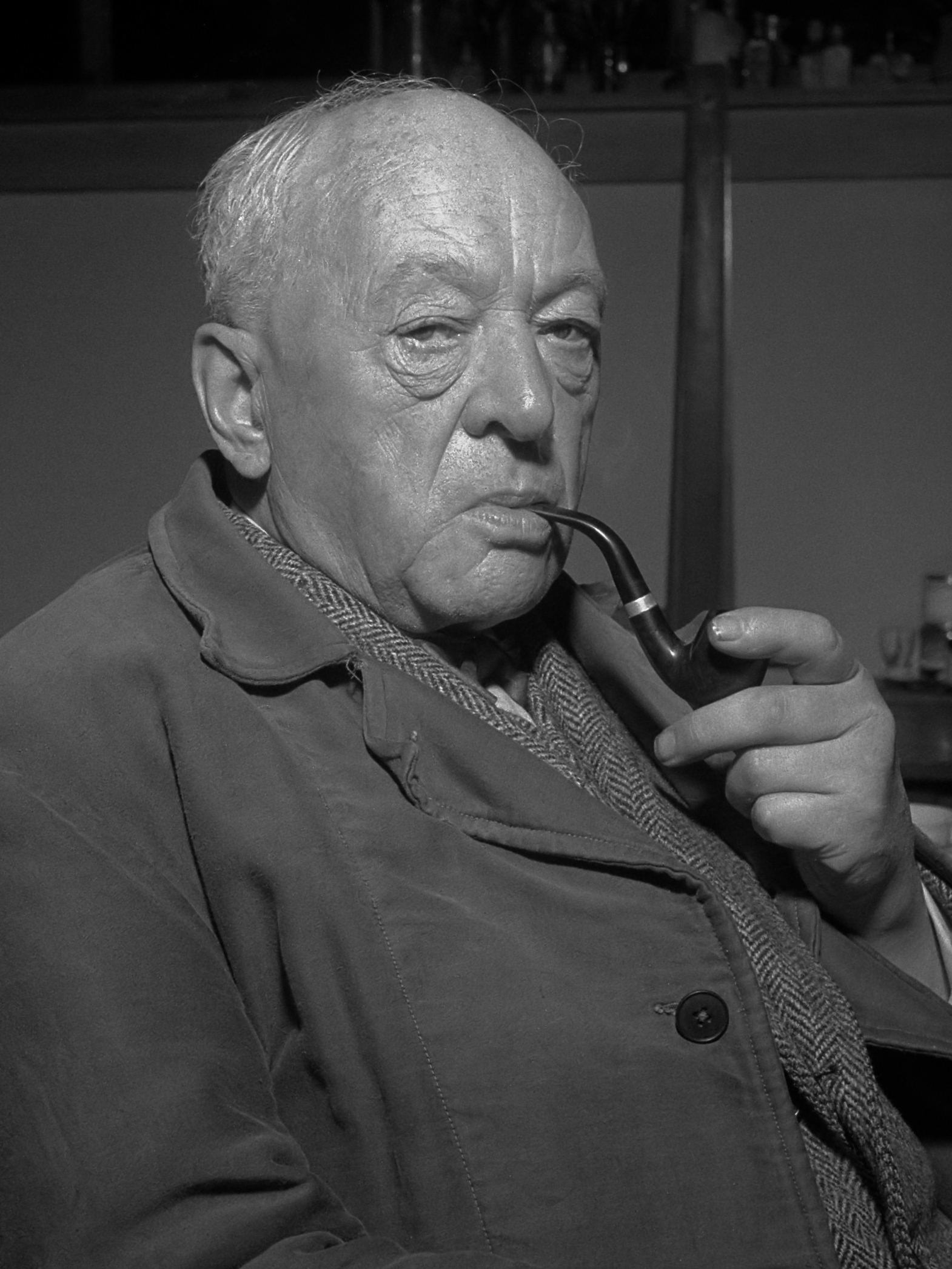
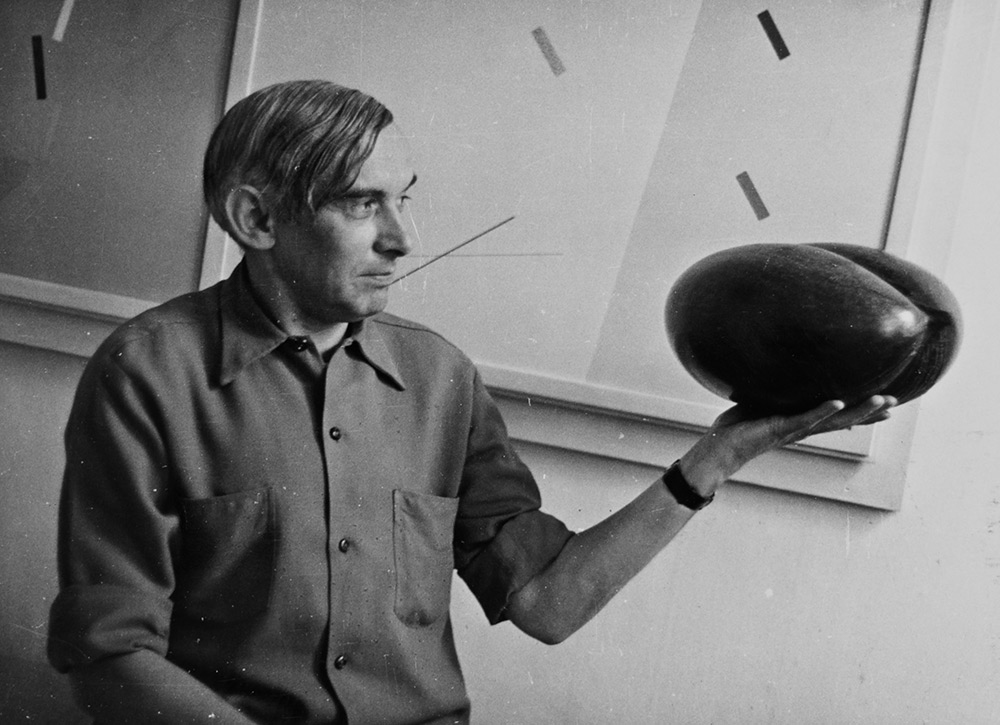
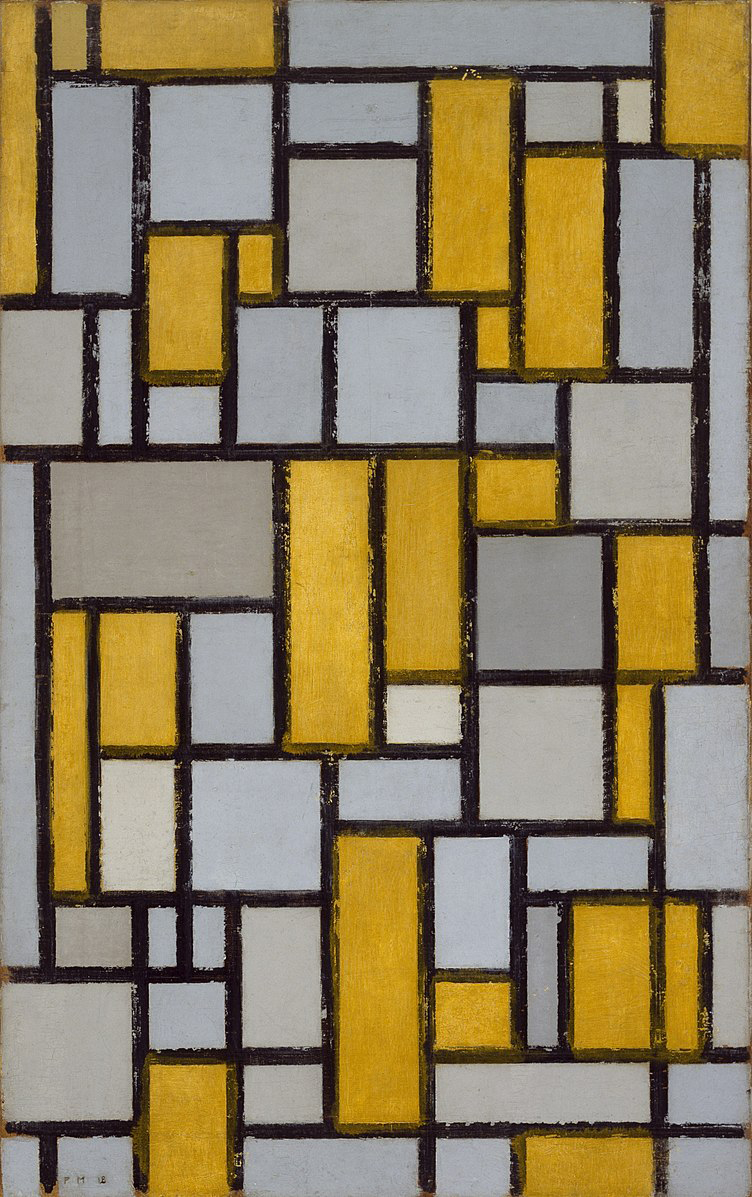
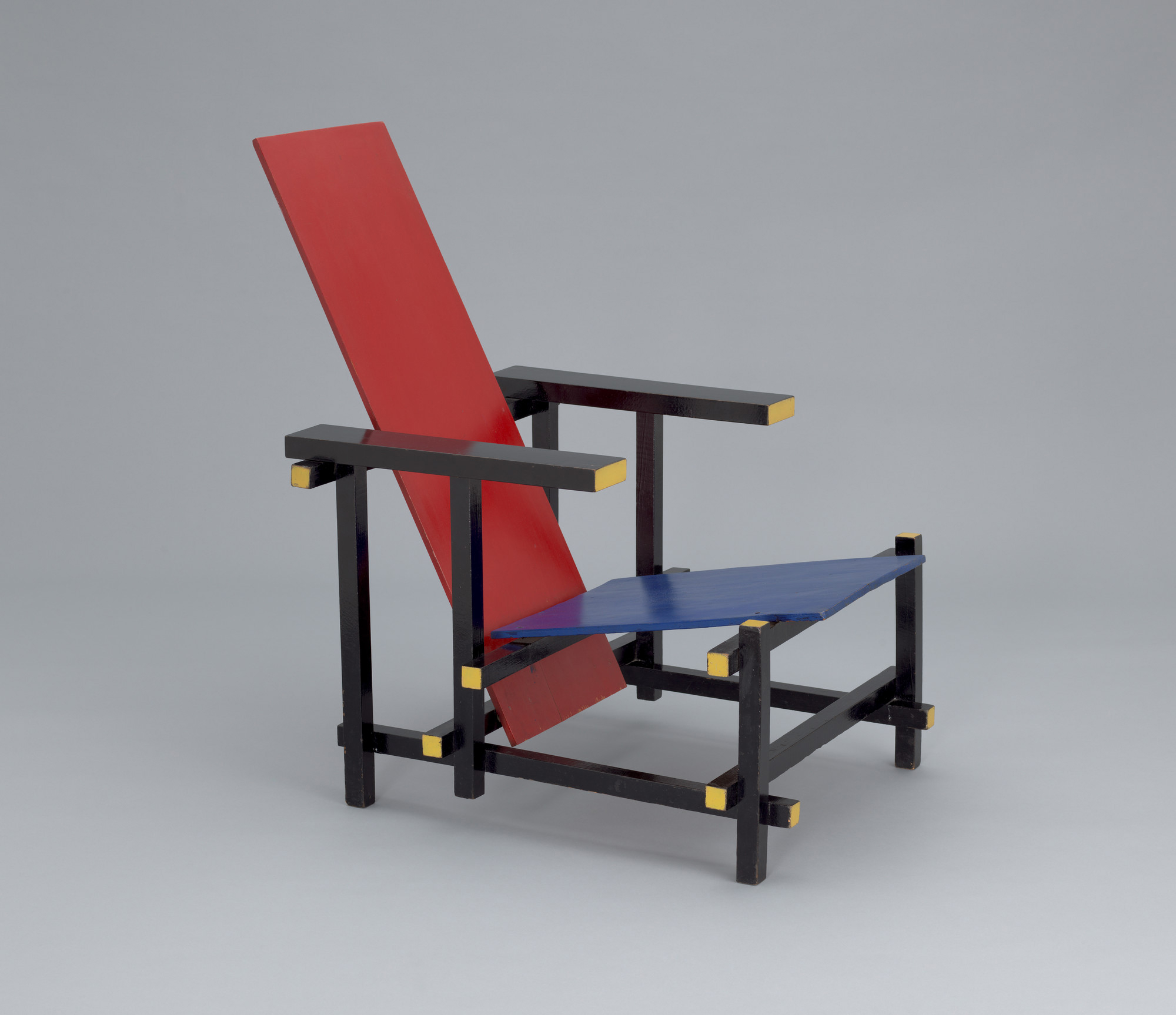
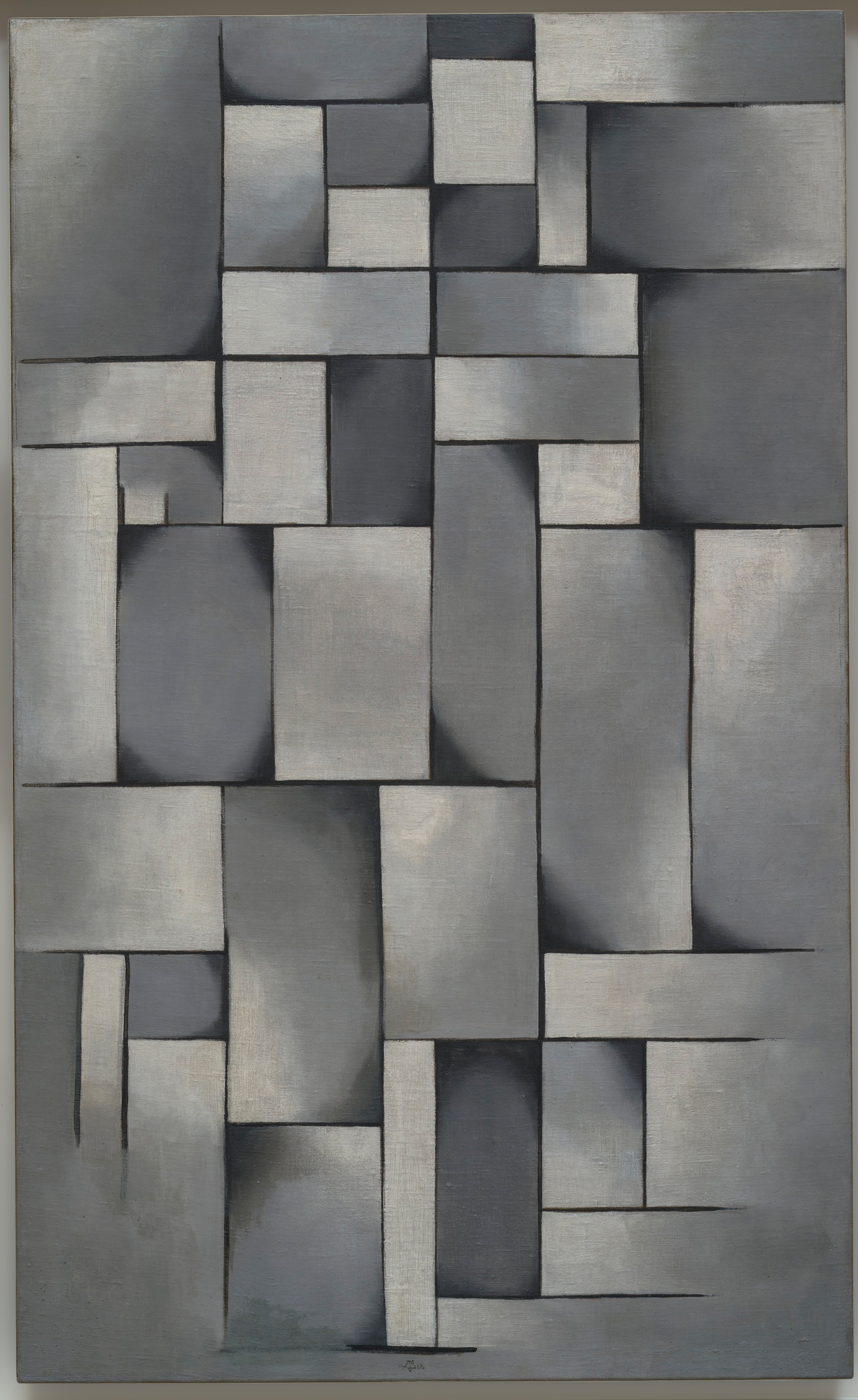
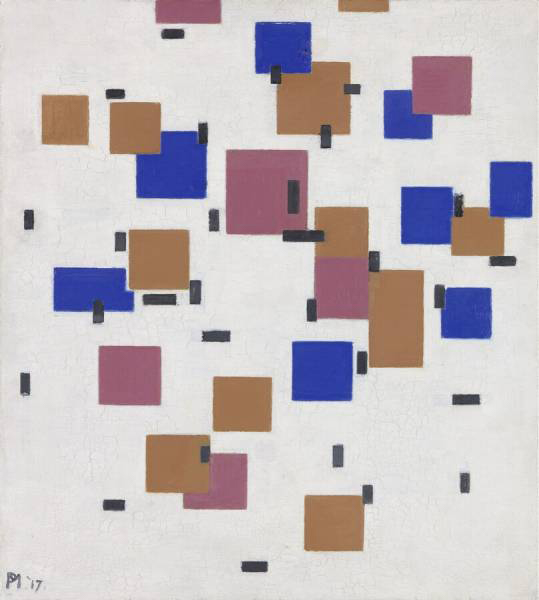
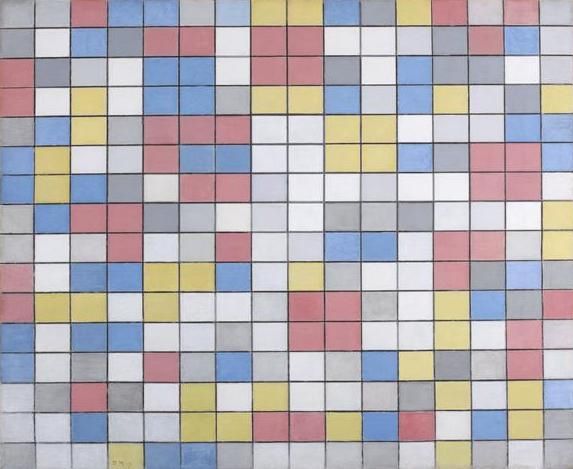
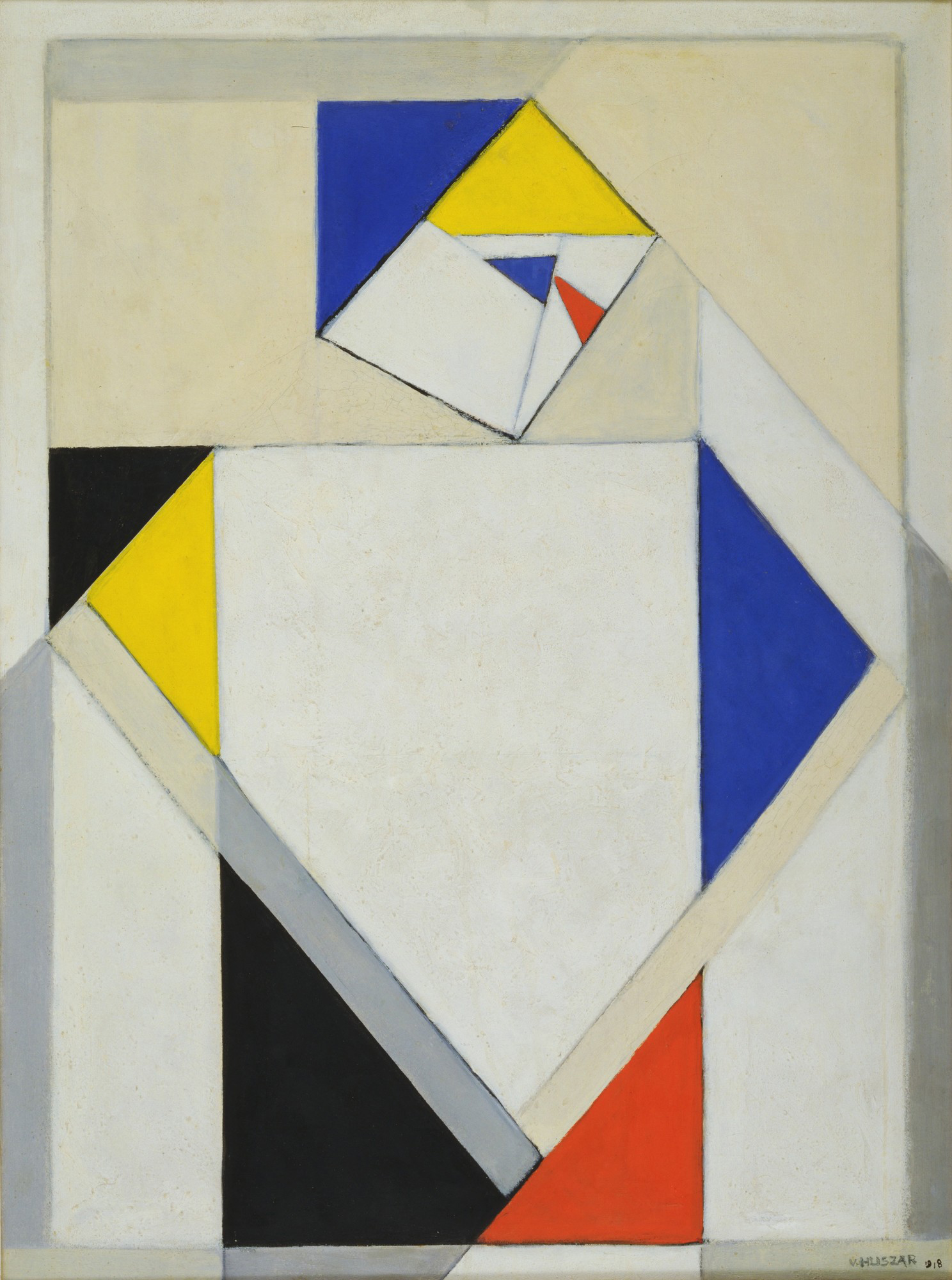
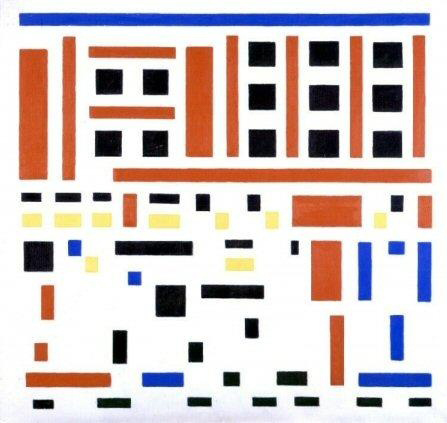
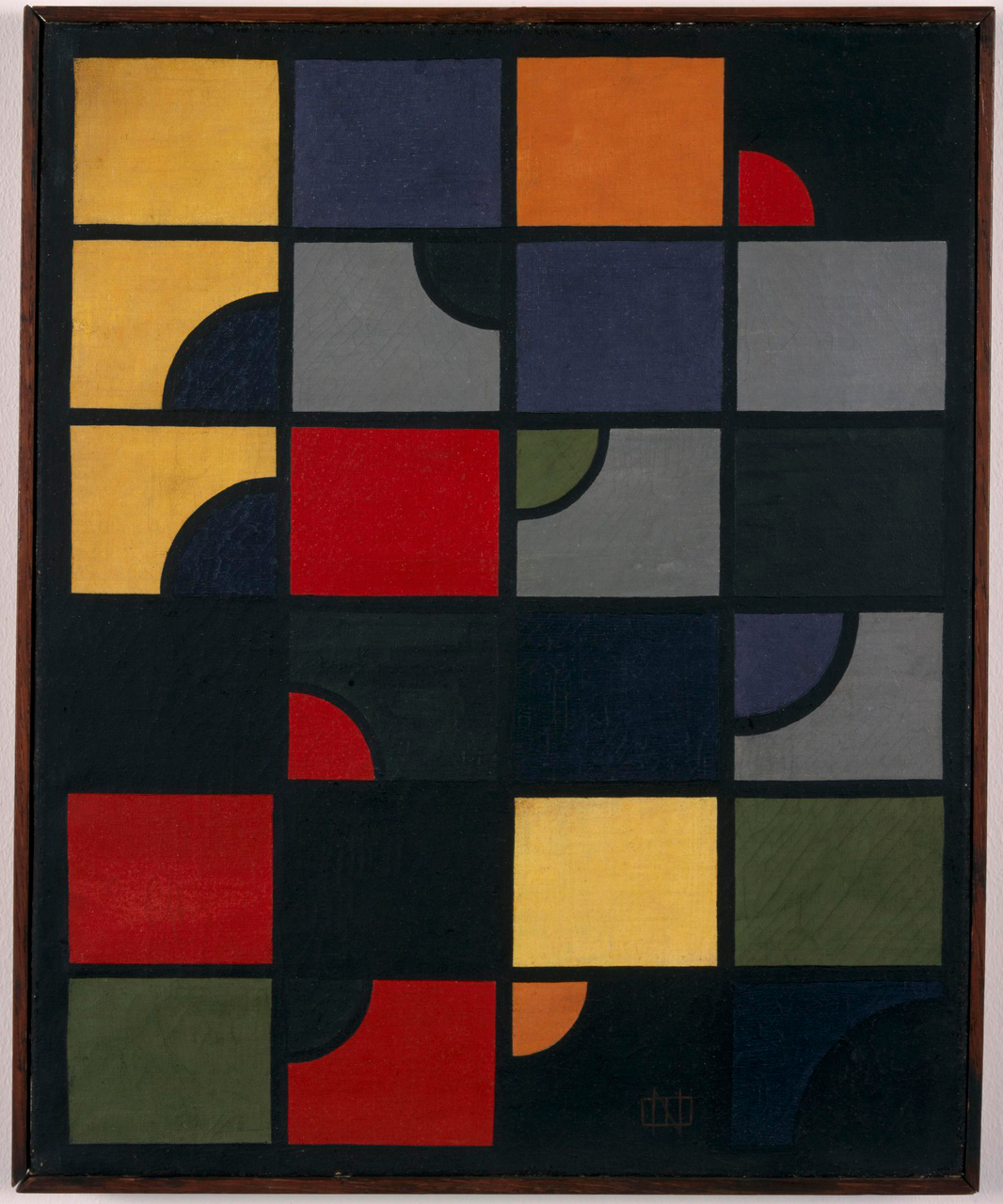
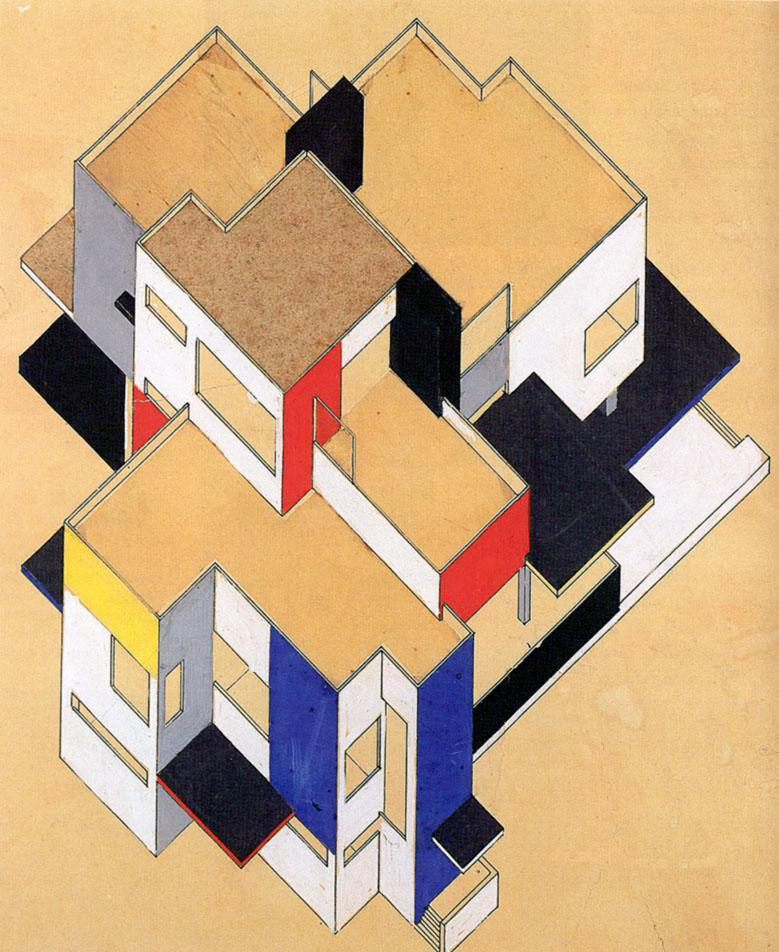
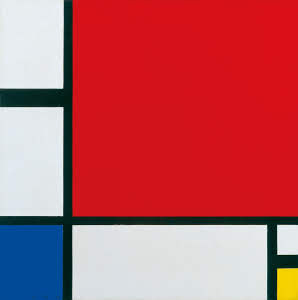
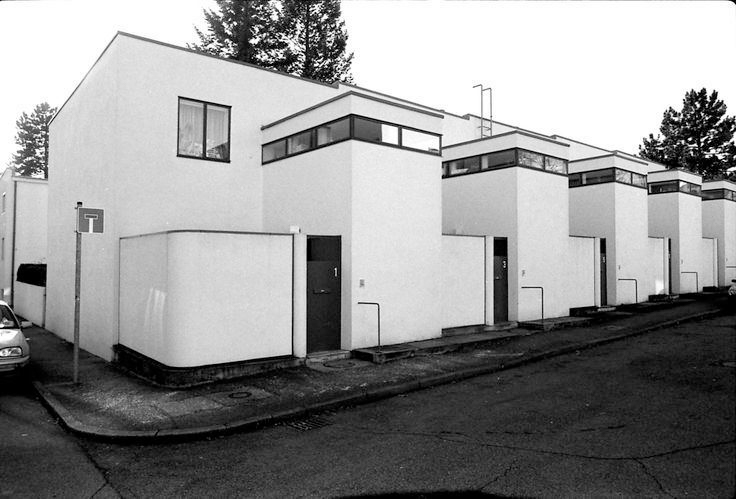
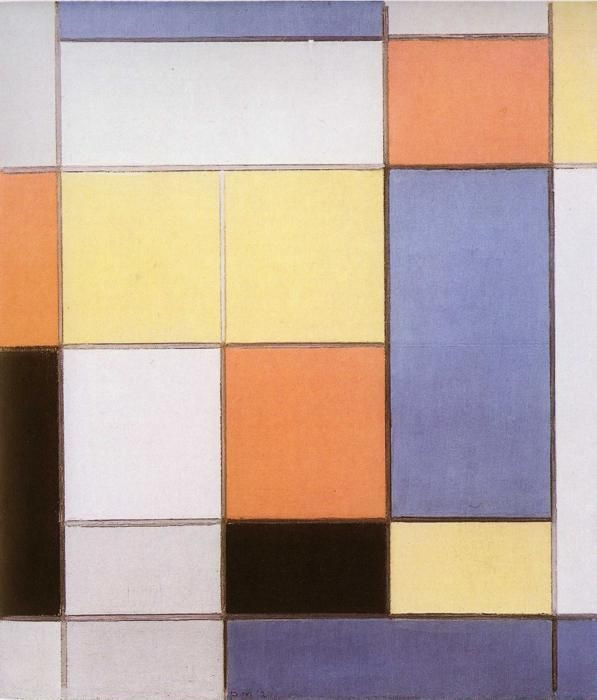
De Stijl, Dutch for “The Style” was established 1917 in the Netherlands. Also called Neoplasticism, or “new plastic art,” the movement embraced simplicity and abstraction to express harmony and order. De Stijl was originally a publication created by artists Piet Mondrian and Theo van Doesburg to define their theories. The movement died in 1931 along with Theo van Doesburg.
ONE
There is an old and a new consciousness of time.
The old is connected with the individual.
The new is connected with the universal.
The struggle of the individual against the universal is revealing itself in the world war as well as in the art of the present day.
TWO
The war is destroying the old world and its contents: individual domination in every state.
THREE
The new art has brought forward what the new consciousness of time contains: a balance between the universal and the individual.
FOUR
The new consciousness is prepared to realize the internal life as well as the external life.
FIVE
Traditions, dogmas, and the domination of the individual are opposed to this realization.
SIX
The founders of the new plastic art, therefore, call upon all who believe in the reformation of art and culture to eradicate these obstacles to development, as in the new plastic art (by excluding natural form) they have eradicated that which blocks pure artistic expression, the ultimate consequence of all concepts of art.
SEVEN
The artists of today have been driven the whole world over by the same conscious- ness, and therefore have taken part from an intellectual point of view in this war against the domination of individual despotism. They therefore sympathize with all who work to establish international unity in life, art, culture, either intellectually or materially.
De Stijl is the name of a journal that was edited and published by Theo van Doesburg and served to propagate the group's theories. Originally it was published monthly, later it became more irregular. De Stijl appeared in 90 issues between October 1917 and January 1932 in Delft (1917-18), Leiden (1918-21) and Meudon (France); not published in November-December 1920, January-February 1923, and 1929-1931. Though the journal never sold more than 300 copies, it had a strong influence on art in the Netherlands and abroad.